Article:
Crispy baked snacks have become one of the most popular food products worldwide, whether enjoyed as casual treats or health-conscious nibbles. These snacks have evolved significantly over time—in flavor, ingredients, shape, and even in their manufacturing and packaging innovations. The growth of the baked snack market reflects changing consumer behavior, with an increasing focus on taste, convenience, and wellness.
Definition and Types of Baked Snacks
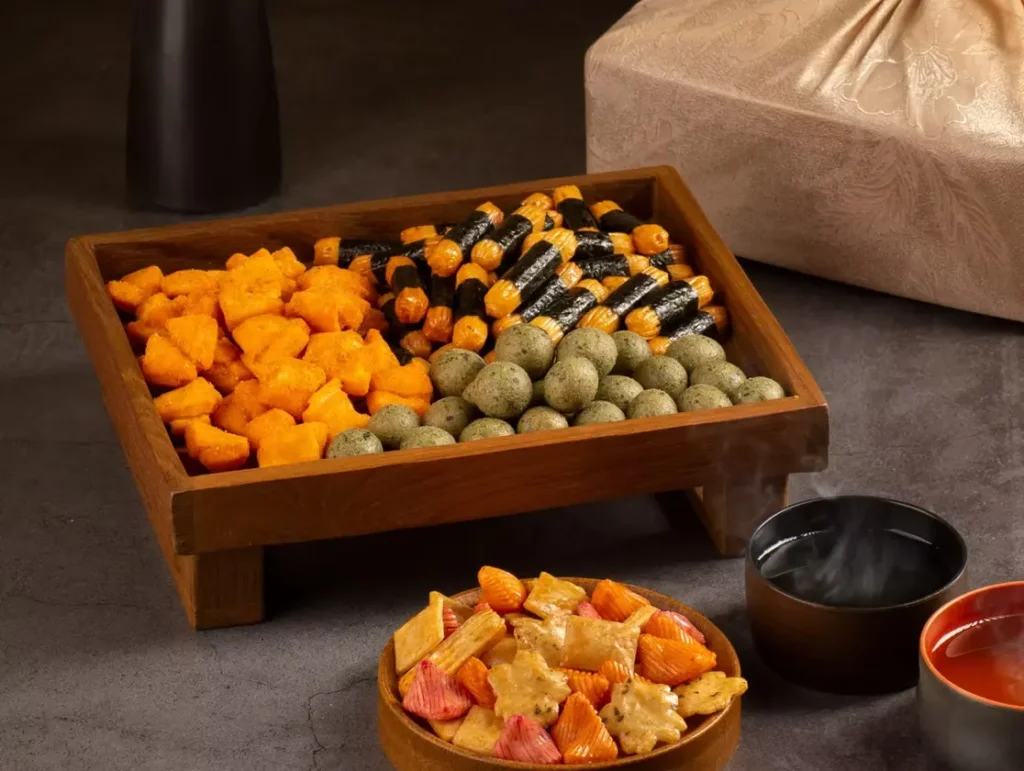
Baked snacks refer to food products processed using dry heat in an oven, as opposed to frying, which involves oil as a heat transfer medium. Baking produces a crisp, airy texture while maintaining the natural taste of the ingredients. These snacks are made from a variety of base materials, such as wheat flour, cornmeal, brown rice, potatoes, or other grains. They can be flavored in countless ways to appeal to diverse palates.
Baked snacks can be categorized into several types:
- Grain-based snacks: Such as cereal bars, puffed rice crisps, and seasoned wholegrain bites
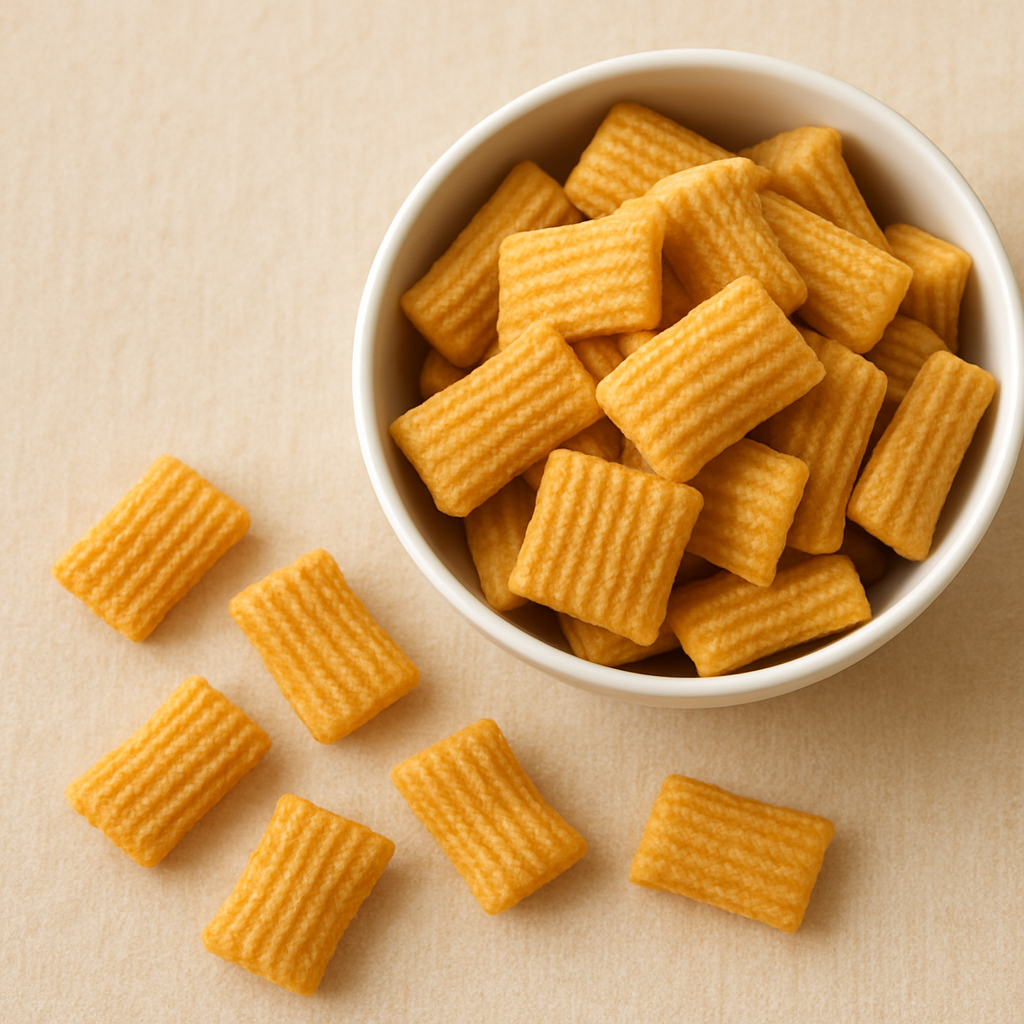
- Potato or corn-based snacks: Including baked potato chips and spicy corn crisps
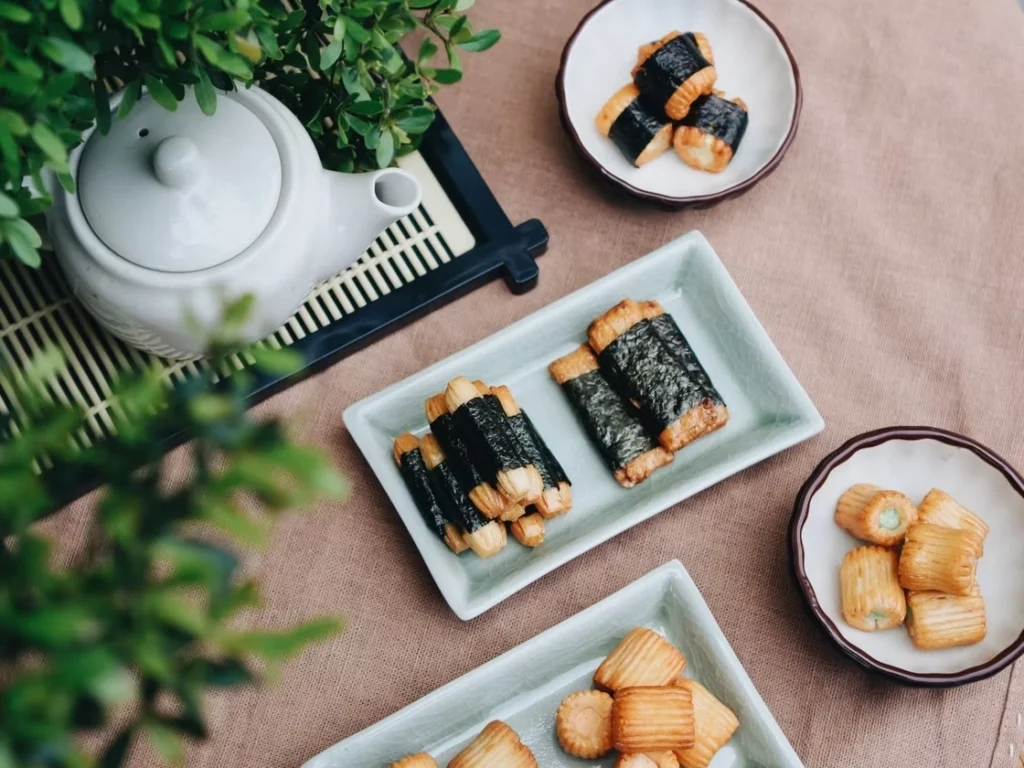
- Reformulated snacks: Made from seaweed, legumes, or baked meat-based products
- Health-focused snacks: These are oil-free, preservative-free, low in sugar, or made with organic ingredients
Unique Features of Baked Snacks
A key feature of baked snacks is their light crispness, which provides a pleasant eating experience. Since baking uses less oil than frying, it offers a healthier alternative, making these snacks ideal for health-conscious consumers.
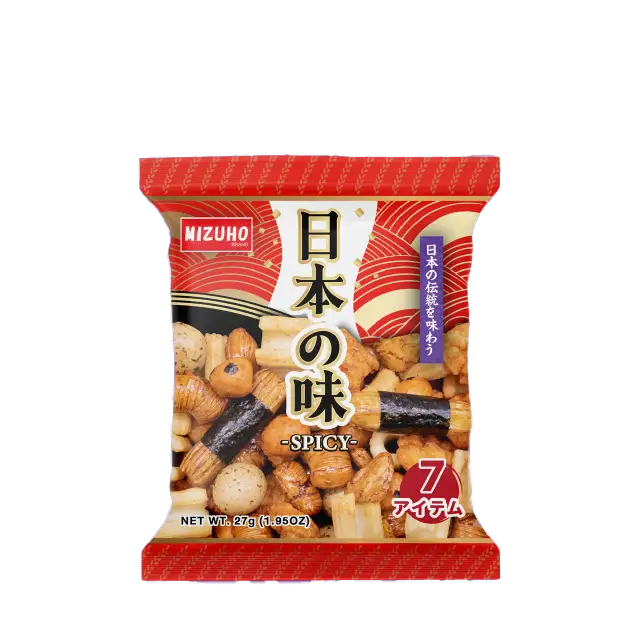
Today, baked snacks come in a wide variety of flavors—from classic salted and cheese to spicy, barbecue, and even unique local Thai-inspired flavors like tom yum, kaffir lime, or chili paste. This diversity not only caters to different taste preferences but also helps expand the product’s market reach.
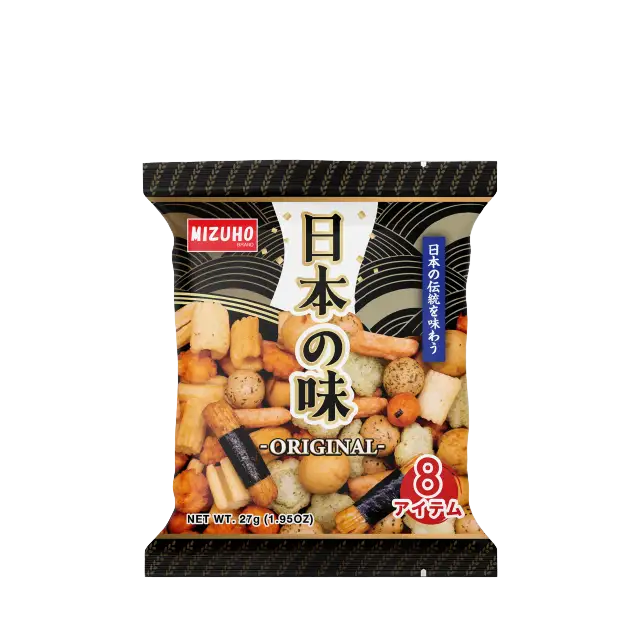
Innovations in the Baked Snack Industry
The baked snack industry continues to innovate in response to modern consumer needs, including:
- Oil-Free Baking Technology: Reducing or eliminating the need for oil without compromising texture
- 100% Natural Ingredients: Sourcing non-GMO, preservative-free raw materials
- Modified Atmosphere Packaging (MAP): Extending shelf life while avoiding chemical preservatives
Moreover, many producers are turning to local ingredients—such as riceberry, sticky rice, seaweed, or sweet potatoes—to create unique products that also support local economies.
Trends Among Modern Consumers
Today’s consumers seek more than just delicious and visually appealing snacks—they also value nutritional benefits, clean ingredients, and sustainable production methods. Low-calorie, high-fiber, and plant-based protein snacks are growing in popularity.
Additionally, Gen Z and Millennial consumers often look for a “story” behind the product: where the ingredients come from, how it’s crafted, and whether it uses eco-friendly packaging. This shift creates an opportunity for brands to connect more meaningfully with their audiences.
Conclusion
Crispy baked snacks are more than just a tasty, portable treat—they represent the evolution of the food industry toward meeting the diverse and growing expectations of modern consumers. By focusing on quality, flavor, and continuous innovation, baked snacks will remain a favorite for many generations to come.